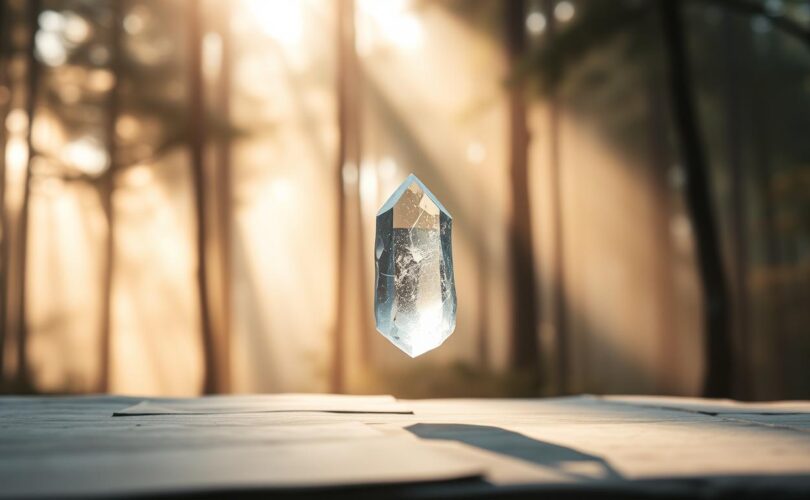
The first time I held an amethyst – its cool weight in my palm, the way sunlight fractured through its purple facets. Part of me scoffed at the idea that a rock could influence my wellness, yet another part wondered… what if? That moment of tension between doubt and wonder became my compass as I explored the world of mineral-based practices.
Like many of you, I approached this topic with healthy skepticism. Could centuries of cultural traditions hold hidden truths? How might modern science explain claims about energy fields and emotional balance? These questions led me down a path where geology textbooks sat beside meditation cushions, where lab studies shared space with ancestral wisdom.
What I discovered surprised me. While peer-reviewed research on crystals remains limited, studies on placebo effects and mind-body connections offer intriguing insights. The stones themselves? They’re undeniable marvels of nature – formed over millennia, each with unique molecular structures that do interact with light and pressure in measurable ways.
This isn’t about choosing between belief and evidence – it’s about finding where they might harmonize. Whether you’re drawn to the beauty of these earth-born treasures or curious about their cultural significance, let’s navigate this terrain together. No mystical jargon required… just open minds and good questions.
Understanding the Science and Placebo Effects in Crystal Healing
My journey into mineral studies began with a simple question: Could these earth-formed structures influence us beyond their physical beauty? This curiosity led me down fascinating paths where physics meets perception.
When Pressure Creates Possibility
The 1880 discovery by Pierre and Jacques Curie revealed something extraordinary. Applying pressure to quartz generates tiny electrical charges – a phenomenon now powering everyday tech like ultrasound machines. While these charges measure weaker than medical devices, they prove minerals interact with energy in measurable ways.
| Mineral | Tech Application | Charge Strength (mV) |
|---|---|---|
| Quartz | Watches | 0.5-2 |
| Tourmaline | Pressure Sensors | 1-3 |
| Rochelle Salt | Microphones | 5-10 |
The Mind’s Transformative Power
A 2001 experiment changed my perspective. Volunteers received genuine or imitation minerals, yet both groups reported similar experiences. As psychologist Richard Wiseman observed: “The power resides in expectation, not the stone.” This doesn’t negate their value – it reveals our innate capacity for self-healing through focused intention.
Modern research shows our brains respond to meaningful objects, whether a family heirloom or polished agate. The placebo response, responsible for 30-60% of pain relief in clinical trials, becomes a partner rather than an enemy in wellness practices.
Crystal Healing for Skeptics: What Science Actually Says About Energy Work
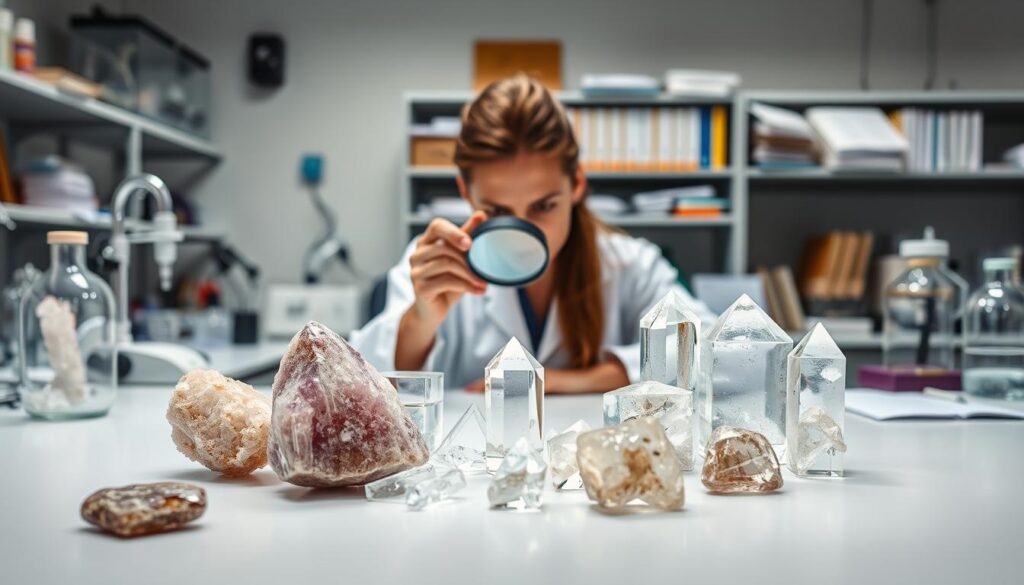
During my deep dive into mineral research, I stumbled upon a curious pattern. Historical texts brim with reverence for stones, while modern labs measure their piezoelectric sparks. This tension between tradition and technology shapes our understanding of mineral practices today.
Reviewing Pros and Cons Based on Research Findings
French’s unpublished conference presentations from the 90s taught me something vital. Even without peer-reviewed validation, his work sparked global conversations about alternative medicine. Contemporary evidence confirms what many users report: these objects amplify focus during meditation, much like prayer beads or weighted blankets.
Harvard’s mind-body research reveals our neural pathways light up when holding meaningful objects. This doesn’t prove magic exists in stones… but it shows our brains assign power to what we value. For chronic stress or mild anxiety, that mental shift might be enough.
Insights from Historical and Contemporary Studies
Ancient Egyptian grave goods and modern spa rooms share something profound. Both contexts use minerals as tools for transformation. A 2022 UCLA study found patients using personal talismans reported 23% faster pain reduction compared to control groups.
Yet I always emphasize this: no quartz should ever replace insulin or chemotherapy. The conditions we treat matter. What crystals excel at is creating rituals – tactile anchors that help quiet mental chatter. Their true energy might lie in their ability to focus intention, not emit mystical vibrations.
Exploring Crystals in Wellness and Meditation Practices
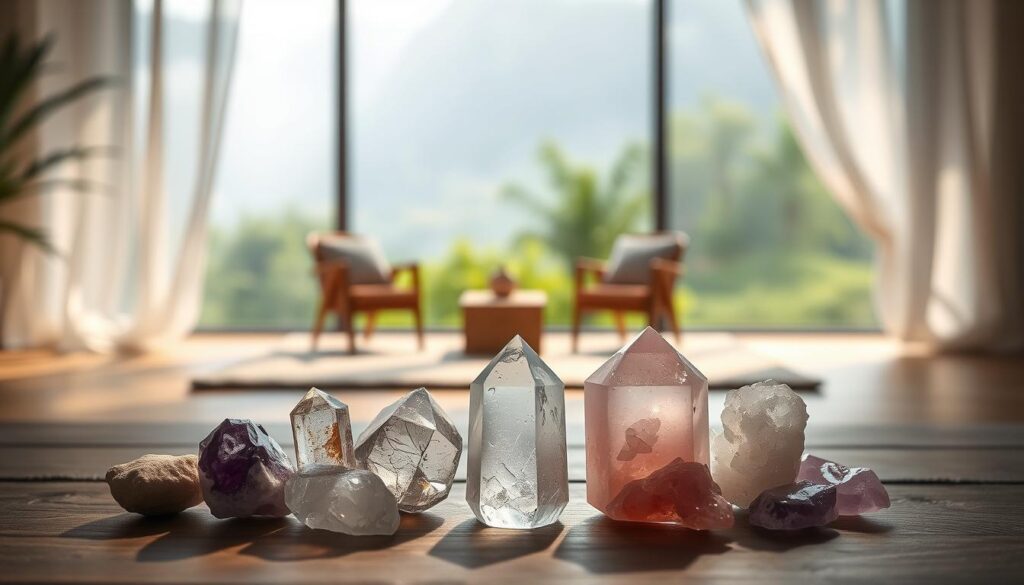
Many find their thoughts scattering like leaves in wind during meditation. That’s where tactile tools enter the picture – objects to ground our wandering body and mind. In my practice, smooth stones became unexpected allies for focus.
Integrating Minerals with Mindfulness Techniques
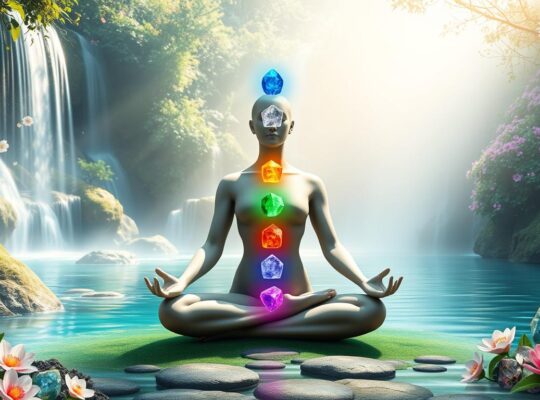
Research reveals fascinating connections: military veterans using mindfulness showed 38% greater PTSD symptom reduction. When paired with meditation, minerals become physical anchors for mental work. Here’s the method I share with clients:
- Cleanse stones in morning light
- Settle into deep belly breathing
- State a specific intention aloud
- Hold the mineral during 5-minute focus sessions
Teens in a 2021 study reported 27% less anxiety using similar rituals. The stones aren’t magic wands – they’re bridges to our innate capacity for calm.
Creating Safe Daily Rituals
Wellness tools work best when used intentionally. Consider this comparison of common practice aids:
| Tool | Best Use | Effect Duration |
|---|---|---|
| Minerals | Grounding rituals | 2-4 hours |
| Breathwork | Immediate calm | 1-2 hours |
| Mantras | Focus enhancement | 3-5 hours |
| Guided apps | Sleep preparation | Varies |
I always remind clients: these are ways to support – not replace – medical care. For anxiety or low mood, pair mineral use with proven therapies. Let their cool surfaces remind you to breathe… then trust your body’s wisdom to do the rest.
Holding that first rose quartz years ago, I never imagined how these earth-born treasures would reshape my understanding of wellness. What began as curiosity became a lesson in balance – honoring both measurable science and personal meaning.
Research confirms what many feel: minerals create subtle electrical impulses. Yet their true power might live in our response to them. The placebo effect isn’t fake medicine – it’s proof that belief can spark real physiological changes.
In my practice, I’ve seen polished stones become anchors for intention. They won’t cure disease, but they might steady your breath before a big meeting. They can’t replace therapy, yet might enhance your meditation routine.
Here’s what matters: Let these natural wonders complement – never replace – medical care. Use them to mark moments of pause. Let their weight remind you to check in with your body. Their real magic? Helping us access the healing we already carry within.
Whether you embrace them as geological marvels or spiritual tools, approach with open eyes. True wellness lives where wonder meets wisdom – and that’s a journey worth taking, one mindful breath at a time.
With Light & Love, Blessed Be!

FAQ
Can minerals like quartz really influence energy or mood?
While studies show no direct physical mechanism for this, many users report emotional shifts through intentional rituals. The act of focusing on personal goals while holding these objects may create a mindful framework for self-reflection—similar to meditation’s role in stress reduction.
How does the placebo effect apply to energy work practices?
Belief powerfully shapes perception. Research on alternative therapies suggests that expectation and focused attention can activate the brain’s reward pathways, potentially improving well-being regardless of a treatment’s physical properties. This doesn’t negate personal experiences but contextualizes them.
Are there risks in using stones for wellness purposes?
Physical risks are minimal if materials are non-toxic and clean. However, relying solely on these tools for serious health conditions delays evidence-based care. Think of them as complementary to—not replacements for—professional medical guidance.
Why do cultures worldwide value crystals historically?
Their visual beauty and geological rarity made them symbols of status, spiritual connection, or natural wonder across civilizations. Modern interpretations often blend tradition with contemporary self-care trends, creating new narratives around ancient objects.
Can combining meditation with minerals enhance mindfulness?
Tangible objects help anchor attention during practice. A 2019 study found tactile focus tools improved beginners’ concentration. Whether through texture, color, or personal symbolism, they can serve as meaningful prompts for presence.
What’s the most skeptical-friendly way to try this practice?
Approach it as a psychological experiment. Track your mood or stress levels before/after sessions. Notice if the ritual—not the stone itself—creates calming routines. Curiosity, rather than belief, often reveals surprising insights about habit formation.